Damen vs. One-Off Builds: A Procurement-Led Comparison for Energy & Mining Vessels
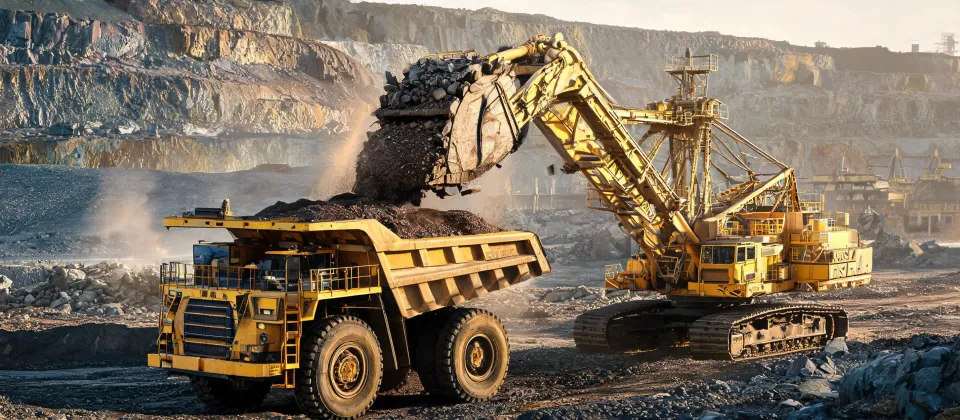
Before we talk hulls, a search-term reality check. If you landed here because you typed jeans grau damen or damen skihose schwarz, this is not a fashion post. That Damen is the German word for 'ladies.' This Damen is the Dutch shipyard group that builds tugs, dredgers, offshore vessels, and support ships for the energy and mining sectors. It is also not about a woolly bear caterpillar, although I once spent a week managing purchase orders for mining equipment with tires taller than a person. Heavy industry can surprise you.
I'm an office administrator turned purchasing lead. I help run procurement for a company that supports offshore energy and mineral operations. Since 2020, I've processed 60–80 orders a year across 8 vendors. I report to operations and finance, which means I see what actually gets invoiced, rejected, and delayed. I'm not a naval architect. I can't speak to plate thickness or wake dynamics. What I can offer is a procurement-level comparison of two ways to get a vessel: a standardized Damen newbuild versus a one-off custom build.
The Real Question: Standard Platform or Blank Sheet?
It's tempting to think that a custom vessel is automatically better because it's built around your operation. That's a simplification. It ignores the cost of engineering time, schedule risk, and the fact that a bespoke design has no operating history. In our 2024 vendor consolidation project, we looked at both routes and the differences quickly became clear.
The comparison isn't 'Damen vs some boatyard.' It's choosing between a proven platform and an open-ended engineering project. Three dimensions matter most:
- Cost visibility
- Delivery certainty
- Future compliance
Let's compare them directly.
Dimension 1: Cost Visibility
In custom projects, the first number you see can feel encouraging. Then the change orders start. A pipe here, a bulkhead there, a more expensive switchgear because the first option failed the client's electrical review. Individually, each change is justifiable. Together, they can turn a 'cheaper' custom quote into a budget review.
A Damen standard build is different. Because the base design already exists, the options list acts like a menu. You see the price impact of a stronger crane, a different communication suite, an upgraded accommodation block before you sign. That doesn't mean there are no surprises—it means the surprises usually happen in familiar places.
I don't have hard data on industry-wide total cost of ownership. But based on five years of purchase orders, my sense is that custom projects generate more unexpected line items: rework, additional drawings, risk allowances. 'Surprise' costs are easier to manage when they're visible early.
One lesson from the field: a project manager once saved 3% on an initial order by removing an optional monitoring package. Within a year, an undiagnosed fault forced us to fly in an engineer for two separate visits. That cost more than the monitoring package. The 'budget' choice looked smart until the invoice arrived.
Dimension 2: Delivery Certainty
Schedule confidence is where standard platforms win most visibly. A Damen series build has known tasks, known suppliers, and known commissioning steps. It also has a build slot. A custom build, by contrast, is a sequence of decisions. Every owner's requirement needs an engineering answer, and every answer can shift the timeline.
Why do yards quote 'six months after design freeze'? Because design changes reset the clock. We once asked a custom builder for the assumptions behind their delivery schedule. That email took three weeks to answer—and the answer included two unresolved questions. Compare that with a standardized platform where the previous vessel already tells you how long things take.
Can a standard Damen build still be late? Sure. But the delay risk is usually more visible and easier to attribute. In one case, a delay came from an external supplier, not from the design itself. With a custom build, the cause of delay is often the design itself—which means later delays are harder to contain.
Dimension 3: Compliance and Future-Proofing
For energy and mining operators, the compliance question is getting sharper. In one client meeting, someone asked, 'What is a blue?' It sounded like a product code. They meant blue water vessel—open-ocean capability, not a color. That distinction matters, but the bigger compliance issue is emissions.
According to the International Maritime Organization's revised GHG strategy (2023), international shipping is expected to reach net-zero greenhouse gas emissions by or around 2050. That means any vessel ordered today will live most of its working life in a tighter regulatory environment.
Damen's standard platforms are often pre-engineered for tiered emissions options and alternative-fuel readiness. A custom build can also meet those requirements, but every new requirement becomes its own engineering workstream. Per the FTC's Green Guides, if a shipyard claims 'zero-emission ready,' it needs to substantiate that claim. From a procurement standpoint, that level of clarity is easier to get when the vessel is based on an established class-approved platform.
This is also where I'd recommend talking to a classification society. I'm not a class expert, so take this with a grain of salt: the vessels with an easier path through future compliance tend to be the ones that started from a design family, not a blank screen.
The Counterintuitive Part
Don't let the word 'standard' fool you. In shipbuilding, standardized often means proven, repeatable, and supportable. The risk sits on the other side of the table—in the endless possibilities of a bespoke design that has never been built before.
Five years ago, I might have assumed a custom build was the safest way to get exactly what we wanted. In 2025, after watching both options, I lean the other way: for most operations, a proven platform with modifications will outscore a blank-sheet design. The fundamentals haven't changed—hull integrity, propulsion, reliable support—but the execution has transformed.
Which Option Fits Your Situation?
Choose a standardized Damen build if:
- You need a predictable delivery date and a fixed budget range.
- You value a global support network—say, a Damen repair yard in Curaçao or Harlingen close to your operating region.
- You can make your operational workflow fit a proven layout, rather than designing a new layout around one-off requirements.
Choose a one-off custom build if:
- You have an absolute physical constraint—extreme ice class, unusual deck load, a unique system integration—that no standard hull can handle.
- You have the internal engineering bandwidth to manage a bespoke design project.
- You accept that the initial quote will be less meaningful than the final cost.
Even in the custom scenario, I'd start by asking Damen or any other experienced yard what they can modify in an existing hull. Starting from a known baseline can save you months, and the final vessel may still be exactly what your operation needs.
My advice: don't take my word as the last one. Ask for reference vessels, talk to actual captains and maintenance superintendents, and compare their answers with the written offer. The best choice isn't the one that looks most impressive in a PowerPoint. It's the one your finance team can explain and your engineers can defend.